Why a Mobile Wallet with Cashback and a Built‑In Exchange Actually Changes How You Use Crypto

First off—yeah, I get skeptical when an app promises “rewards” and “low fees” at the same time. Been there, done that. But a mobile wallet that pairs a noncustodial experience with an integrated exchange and cashback incentives can be genuinely useful if it’s built with the right tradeoffs in mind. It’s not a magic bullet. Instead, it’s a pragmatic tool for everyday crypto users who want convenience without giving away all control.

Here’s the short version: an integrated exchange saves you time and friction, and cashback nudges behavior — but the details matter. Security model, liquidity routes, fee transparency, and the reward mechanism determine whether an app is helpful or predatory. I’ll walk through the practical differences and what to look for.

Mobile wallet interface showing cashback, transaction history, and built-in swap screen

A practical breakdown: Exchange, Wallet, Cashback — how they interact

Think of three layers. Layer one is the wallet: seed phrases, private keys, and how much custody you actually retain. Layer two is the exchange: instant swaps via on‑chain DEX routing or off‑chain order books. Layer three is incentives: cashback in token form, fiat rebates, or gas credits. On one hand, combining those layers reduces friction—no copy/paste addresses, fewer app switches. On the other hand, bundling raises questions: who matches trades? How are rewards funded? Who pays the spread?

So what should you watch for? Liquidity routing. If an app routes swaps through multiple DEXs and optimizes for best price, that’s good. If it routes through a single partner with inflated spreads, that’s not. Fees also matter. Sometimes “zero fees” simply mean the platform takes the spread or issues rewards from a reserve funded by less favorable rates.

Security is the non-negotiable. A mobile wallet can be noncustodial and still be convenient—seed phrase backup, biometric unlock, optional hardware wallet pairing. If the wallet is custodial, then the cashback offer might just be a user acquisition cost, and your custody risk increases. Balance convenience with trust.

Another practical point: KYC and limits. Many built-in exchanges will ask for identity verification for fiat rails or higher limits. If you need anonymity or lower-friction on-chain swaps, find out whether the exchange layer preserves that option or forces KYC universally.

Cashback models: real reward or marketing mirage?

Cashback in crypto can look appealing. A few common models I’ve seen:

  • Direct token cashback: you get project tokens as a percentage of your swap.
  • Gas rebates: you receive ETH (or native chain token) to offset transaction costs.
  • Fee rebates: a portion of exchange fees returned to you as native wallet balance.

Each has tradeoffs. Token rewards can inflate the token supply and push users to hodl or sell quickly (sell pressure). Gas rebates are more honest but often small. Fee rebates are simple and transparent if the fee math is clear. Ask: is the cashback coming from external sponsorships, or is it effectively an internal rebate masked by higher spreads?

Personally, I prefer rewards that reduce real friction—gas credits or fee rebates—over reward tokens that require further due diligence. That’s me, though. Others like speculative tokens; fine. Just know the difference.

User experience: what actually saves time

Good UX features matter more than flashy reward banners. Fast onboarding, clear seed‑phrase handling, and one‑tap swaps are what make people stick. Also important: transaction transparency. Let users preview the route, the expected slippage, and the total cost in USD. A seamless swap that surprises you with a 2–5% hidden fee is not seamless; it’s deceptive.

Notifications and history are underrated. When a swap goes through, show the route and gas spent. Exportable history is crucial for tax time. Speaking of taxes—cashback in tokens can be taxable on receipt in the US; plan accordingly. I’ve had clients burned by unexpected taxable events because they treated token rewards like game points.

When a mobile solution makes sense — and when to step back

Use a combined wallet + exchange app when you value speed, want casual trading, or primarily hold small positions. It’s great for dollar‑cost averaging, paying friends, or swapping tokens to cover gas. Avoid it for large, high‑value trades unless you can verify routing and slippage.

If you’re a trader chasing minimal spread and maximum privacy, dedicated tools and custody strategies (hardware wallets, node validation, or desktop combo setups) still win. If you want a practical, everyday crypto experience on your phone—managing a few assets, getting occasional rewards, moving in and out of positions—an integrated app can be a winner.

One app I’ve tested does a decent job of balancing those needs; if you want to peek at a wallet that focuses on noncustodial control while offering swaps and cashback, check out atomic. I’m not endorsing blindly—do your own research—but the design choices there reflect many of the good tradeoffs I mentioned.

FAQ

Is cashback taxable?

Yes — in the US, receiving crypto as a reward is generally a taxable event at the fair market value when you receive it. Later sales create capital gains/losses. Keep records and consult a tax pro if rewards are material.

Are built‑in exchanges safe?

They can be, but safety depends on custody model and routing transparency. Noncustodial wallets that only act as interfaces to DEXs are safer from a custody perspective; custodial exchanges add counterparty risk. Check open‑source status, audits, and whether the app exposes route and fee details.

Why an Air-Gapped Desktop Wallet with Multi‑Currency Support Still Matters (and How to Actually Use One)

I used to think hardware keys were the only real option for strong crypto security. Then I built workflows around a desktop app and an air‑gapped signing machine, and my perspective shifted. Short version: for many users, a well-designed desktop wallet plus an air‑gapped signing device gives a powerful blend of convenience and safety—especially if you need to manage dozens of coins and tokens without jumping between five different tools.

Here’s the thing. Mobile wallets are handy. Hardware wallets are secure. Desktop apps—when paired with an air‑gapped signing flow—sit in the sweet spot for people who want more screen real estate, easier batch operations, and broader coin support without exposing private keys to the network. In this piece I’ll walk through how that model works, what tradeoffs you’ll face, and practical tips for setting it up. I’ll also share a real‑world tool recommendation I find useful: safepal.

Illustration of a desktop wallet paired with an air-gapped device for signing transactions

What “air‑gapped” means (and why it matters)

Air‑gapped simply means the machine that holds your private keys never connects to the internet. Period. No Wi‑Fi, no Bluetooth, no USB with active host connection. That isolation removes most remote attack vectors: malware, targeted exfiltration, remote zero‑day exploits aimed at wallets.

In practice you use two machines: a connected desktop app to build and broadcast transactions, and an offline device (could be an old laptop, mini PC, or dedicated signing device) to sign the raw transaction payload. The signed payload is then transferred back—often via QR, SD card, or a read‑only USB stick—and broadcast by the online machine.

This is low‑tech and robust. It doesn’t rely on the manufacturer never making a mistake. It reduces your attack surface, though it does introduce operational complexity. If you’re managing large balances across many assets, it can be worth the extra steps.

Desktop app + air‑gapped signer: a typical workflow

Step one: Create or import a wallet on the air‑gapped machine. Generate an HD seed or import mnemonic, and never expose that machine to the network.

Step two: On your connected desktop, construct the transaction — select outputs, fees, token transfers, smart‑contract data if needed — and export an unsigned transaction file or QR. Medium step: confirm transaction details visually on both devices before signing.

Step three: Transfer the unsigned blob to the offline signer, sign it, then move the signed blob back to the online desktop for broadcast. That’s it. The only thing that left the air‑gapped machine was a signed transaction, which reveals no private key information.

Multi‑currency support: what to look for

Not all wallets are created equal. If you manage BTC, ETH, BSC tokens, Solana, and some EVM chains, you want:

  • HD wallet structure with BIP32/BIP39/BIP44 compatibility for seed portability
  • Token standard support (ERC‑20/ERC‑721/ERC‑1155, SPL tokens, BEP‑20, etc.)
  • Ability to craft complex transactions (contract calls, batch transfers, custom fees)
  • Clear coin/token naming and addresses to avoid sending assets to the wrong chain

Some desktop wallets focus on one ecosystem; others attempt broad coverage and plug into third‑party indexers. I prefer wallets that keep critical signing and key management local, and only rely on remote services for read‑only data like balances and tx history.

Security tradeoffs and operational hygiene

Nothing is perfectly risk‑free. Air‑gaps reduce remote risk but raise procedural risks: compromised USB media, social engineering, or physical theft. Here are practical mitigations.

  • Use verified, write‑protected transfer methods when possible (QR via camera or read‑only SD cards)
  • Keep a separate, minimal OS installation for signing—no browser, no email, no extra apps
  • Test recovery thoroughly. Seed backups must restore the same addresses across tools
  • Rotate or partition funds: cold storage for long‑term holdings, hot wallets for day‑to‑day

I’m biased toward layered defenses. Air‑gapping is one layer. Multi‑factor checks—like requiring confirmation of amounts on both machines—help a lot. This part bugs me when people skip it: visual checks are cheap insurance.

Practical tips for real users

OK, so check this out—if you’re setting this up for the first time, start small. Move a tiny test amount between wallets. Practice the whole roundtrip until it feels muscle‑memory easy. Use checksum and address confirmation tools. Keep firmware and software updated for the signing device—but update via verified, offline methods if possible.

Also: choose a desktop app that plays nicely with air‑gapped workflows. Some apps explicitly support QR‑based unsigned tx export and import of signed transactions, which makes the process smoother. If you want a single ecosystem suggestion, safepal offers interfaces and devices that many find approachable for mixed desktop/air‑gapped setups.

FAQ

Is an air‑gapped setup practical for everyday use?

For everyday micro‑payments, probably not—you’ll want a hot wallet for speed. But for managing medium‑to‑large holdings, periodic transfers, or doing multi‑signature workflows, it’s a great balance of security and usability.

Can I manage dozens of currencies with one air‑gapped system?

Yes, if your desktop app supports them. The air‑gapped device only needs to sign data; the heavy lifting (token discovery, gas estimation) happens on the connected app. That said, ensure the offline signer can verify transaction intent for nonstandard contracts.

What if I lose the air‑gapped machine?

Recovery depends on your seed backup. If you’ve stored a BIP39 seed securely, you can restore to another compatible wallet. That’s why testing your backups and using durable storage (like metal seed plates) is critical.

Tarif Tiket Travel Door To Door Cikarang Sidareja Tahun Ini

Tarif Tiket Travel Door To Door Cikarang Sidareja Tahun Ini

Travel Door To Door Cikarang Sidareja Tahun Ini.

Tarif Travel dari Cikarang ke sidareja tahun ini sepertinya tidak bisa seperti tahun yang lalu. Di tahun ini tarif travel cikarang sidareja mengalami sedikit kenaikan. Hampir bisa dipastikan setiap tahun itu yang namanya tarif apapun mengalami kenaikan.

Sepertinya tidak ada contoh barang ataupun jasa yang setia tahunya mengalami penurunan harga. Demikian pula dengan tarif jasa travel cikarang sidareja tahun ini. Dengan harapan si penumpang tidak merasa tarifnya kamahalan tapi juga pengusaha travel tidak rugi.

Seandainya tarif jasa tidak dinaikan maka beban perusahaan travel akan semakin berat. Dikarenakan armada arah baliknya itu kosong. Dan untuk menjalankan kendaraanya tentu membutuhkan yang namanya bahan bakar. Dan bahan bakar ini tidak ada yang gratisan hehe.

Naiknya Tarif Travel Door To Door Cikarang Sidareja.

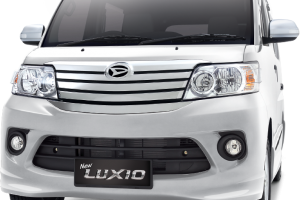
Travel-Cikarang-sidarejaDiharapkan dengan naiknya tarif travel Cikarang sidareja ini tidak membuat penumpang lebih terbebani. Dipastikan tarif travel jakarta sidareja hanya akan mengalami sdikit kenaikanya.  Itupun sudah melalui kesepakatan bersama anatara semua pemilik travel.

Penumpang travel tentu sudah pada paham dengan kondisi seperti diatas. Mereka sudah mengetahui dan memaklumi. Karena memang perusahaan harus bisa menjaga keberlangsungan operasional perusahaanya dan menjaga hubungan dengan paara karyawanya agar tidak ada yang terdzalimi.

Bayangkan saja pekerjaan seorang driver itu sangat berat tanggungjawabnya. Belum lagi dia harus menjaga kondisivitas agar tetap sadar tidak mengantuk di jalan. Sebab nyawa banyak orang yang mereka bawa dan tanggung jawab seorang driver.

Tentu lelah dan ngantuk para driver itu akan menyebabkan fatal apabila dipaksakan. Maka dari itu kami dari perusahaan travel Jakarta sidareja memberikan apresiasi yang setinggi-tingginya kepada mereka yang mampu membawa nama baik perusahaan dan profesionalitas mereka sendiri.

Di Kota Industri Cikarang Ada Travel Cikarang Sidareja.

Cikarang  Merupakan kota industri terbesar di Asia Tenggara. Sebelumnya cikarang ini adalah masuk kedalam wilayah bekasi. Dengan adanya pemekaran membuat kota cikarang saat ini menjadi kota otonom. Daerah cikarang memiliki wilayah kecamatan cikarang pusat. cikarang timur cikarang selatan Cikarang barat dan cikarang utara.

Dengan julukan kota industri terbesar di asia tenggara cikarang ini tentu memilik banyak sekali Pabrik-pabrik. Dengan banyaknya pabrik di cikarang tentu banyak pula karyawanya disana. Salah satunya adalah karyawan yang di datangkan dari sidareja cilacap barat.

Dengan banyaknya perantauan dari sidareja ini membuat pengusaha mobil travel membuka trayeknya untuk memenuhi kebutuhak transportasi darat. Sebagai contoh adalah ani-trans.com yang melayani antar jemput penumpang dari Bekasi ke sidareja.

Ani-Trans adalah Rental Mobil dan Travel Cikarang Sidareja yang sudah berdiri sejak tahun 2000an. Dengan pengalaman yang dimilikinya ani trans kini menjadi salah satu travel yang memiliki nama di sidareja.

Cara Pesan Tiket Travel

Untuk pemesanan tiket travel Bekasi sidareja tidaklah sesulit yang dibayangkan. Cukup dengan meng save no wa CS nya lalu silahkan chat di situ untuk pemesanan bangkunya. Sangat simpel sekali.

No wa CS nya silahkan di catat dan di simpan untuk jaga-jaga siapa tahu membutuhkan dalam waktu dekat ini.

CS1 : 0877-3450-7505

Cukup wa ke no diatas maka Anda akan di jemput dan diantar sampai ke tujuan. Tidak lagi direpotkan dengan antri di terminal berdesak-desakan. Jangan sampai kehabisan tempat duduk.


PESAN SEGERA !!!

CS1 : 0877-3450-7505


Copyright © 2026 ANI-TRANS